Sustainable Interiors, Start to Finish
Step into an end-to-end exploration of sustainable interiors that connects honest materials, human-centered lighting, and energy‑smart fit‑outs into one practical, inspiring journey. We will trace choices from sourcing to operations, spotlighting health, carbon, and cost. Expect real examples, measurable tips, and a welcoming space to ask questions, share experiences, and shape better spaces together today and long after occupancy.


Light That Saves Energy and Elevates Mood
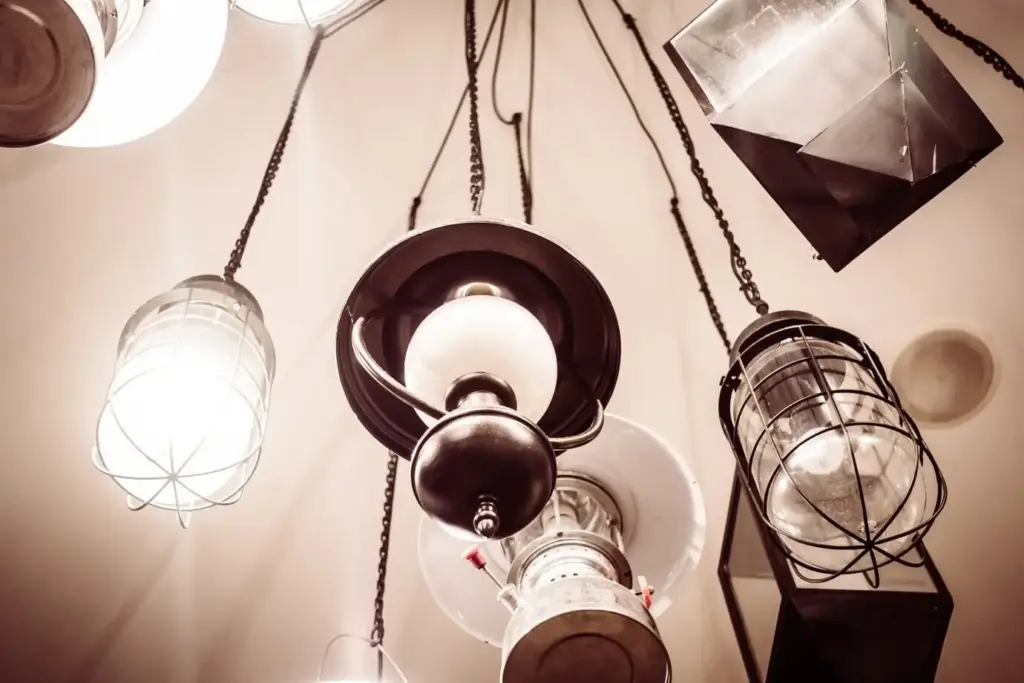
Great lighting design blends daylight, efficient LEDs, and intelligent controls to create comfortable, adaptive spaces that cut energy use without sacrificing atmosphere. Prioritize daylight access, then layer tunable white and targeted task lighting to support focus, relaxation, and collaboration. Address glare, color rendering, and reflectance early, and commission thoroughly. Share photos of your best-lit corners, and ask questions about sensors, scenes, and schedules that truly match occupant behavior.
Energy-Smart Fit-Outs From Plan to Plug
Heat pumps, energy recovery ventilation, and decoupled outdoor air systems shine when interiors reduce loads with insulation, shading, and airtightness. Instead of oversizing for “just in case,” model real occupancy and realistic diversity factors. Smaller equipment costs less to buy and run, while maintenance becomes simpler. Share your latest load calculations, and we’ll discuss diversity, schedules, and setpoints that transform guesswork into confidence and carbon reductions you can defend.
Commissioning should not end at handover. Plan seasonal re‑checks, staff training, and clear documentation so controls behave as designed. Trend logs reveal drifting setpoints and schedules left in temporary modes. Submetering identifies rogue zones and equipment fighting itself. Celebrate your biggest commissioning win, and we will exchange templates for checklists, lessons learned, and dashboards that translate technical data into engaging stories leadership and occupants can rally behind.
Monitors, chargers, printers, coffee machines, and lab gear quietly consume energy after hours. Smart outlets, advanced power strips, and device‑level scheduling cut waste while preserving usability. Label outlets clearly, default equipment to sleep modes, and create social norms around shutdown routines. Tell us which habits were hardest to change, and we will propose signage, reminders, and friendly competitions that make savings visible and fun without sacrificing productivity or comfort.
Circular Design and End-of-Life Strategy
Design interiors as material banks, not future landfill. Favor modular systems, mechanical fasteners, and standard dimensions so components can be removed, repaired, and reconfigured. Document what goes where to enable easy salvage. Coordinate with local reuse networks long before demolition, and write deconstruction into contracts. Share your best salvage discovery or refurbishment hack, and let’s build a library of details that turn churn into opportunity and resilience.
Design for Disassembly, Not Demolition
Choose screws over glue, clips over caulk, and panels that lift out without damage. Mark components with QR codes linking to maintenance and reuse instructions. Standardize grid spacing to increase compatibility across vendors. During renovations, deconstruction crews remove assets carefully for resale. Tell us where adhesives still sneak in, and we will brainstorm alternative details that preserve acoustic performance, fire safety, and aesthetics while keeping recovery truly practical and affordable.
Furniture with a Second, Third, and Fourth Life
Specify remanufactured frames, replaceable upholstery, and modular parts that accept updates without waste. Leasing programs and take‑back agreements keep materials circulating. Many teams discover that refurbished pieces charm occupants with character while costing less. Post your favorite repairable chair or table, and we will compile sources, care guides, and fabric libraries that balance durability, cleanability, and style, proving circular choices are comfortable, contemporary, and financially sensible over many refresh cycles.
Waste Plans That Prevent Waste
Prevention beats sorting. Order accurate quantities, mock up critical details, and test finishes before bulk purchase. When surplus happens, have recipients ready—schools, makerspaces, and reuse marketplaces. Track diversion rates and publish them proudly. Invite contractors to share creative recovery solutions discovered onsite. Add your region’s best reuse directories, and we will map a living network that helps projects shift from disposal by default to dependable circulation and community benefit.
Measure What Matters, Then Improve It
Install calibrated sensors before assuming everything is fine. CO2 trends expose overcrowded meeting rooms; humidity spikes hint at ventilation issues; VOC bursts follow cleaning routines. With data in hand, tune outdoor air, filtration levels, and schedules precisely. Celebrate quick wins, then tackle root causes. Share your preferred dashboards, and we will suggest threshold alerts, occupant notifications, and maintenance playbooks that keep air quality transparent, trustworthy, and steadily improving.
Greenery With Purpose, Not Just Pretty
Plants restore attention and connect people to seasonal rhythms, but they need thoughtful placement and care. Pair living walls with irrigation, choose species for light levels, and consider soil alternatives to control allergens. Combine planters with wood, stone, and nature‑patterned textiles for subtle biophilic layers. Post a corner transformed by foliage, and we will advise on lighting, maintenance schedules, and team rituals that keep green companions thriving all year.
Sound, Texture, and Human Comfort
Comfort lives in the details: acoustic baffles that hush chatter, textured surfaces that invite touch, and soft edges that soothe. Choose absorptive materials with verified fire safety and low emissions, then balance them against lively social zones. Share your most restorative nook, and we will analyze reverberation time, background sound levels, and material palettes to enhance focus, privacy, and warm character without excess cost or maintenance headaches.
Budgets, Carbon, and the Business Case
Sustainability must pencil out. Compare first cost to total cost of ownership, including energy, maintenance, churn, and residual value. Price embodied carbon alongside dollars to reveal true project impact. Incentives, grants, and smart phasing close gaps quickly. Share your payback success stories or barrier myths, and we will equip you with calculators, narrative tactics, and peer benchmarks that de‑risk decisions and win support across finance, facilities, and leadership.