
From Floor Plan to Glow: Mastering the Final Lighting Layer
Today we dive into Lighting as the Final Layer: Integrating Illumination from Floor Plan to Fixture, transforming drawings into lived emotion and practical clarity. We will connect circulation paths, tasks, materials, and controls into a coherent, human-centered experience that deepens comfort and elevates design intention. Expect actionable planning steps, real-world anecdotes, fixture insights, control strategies, budget wisdom, and field lessons that keep projects calm under pressure. Share your questions, subscribe for future guides, and tell us how light has reshaped your favorite room.
Reading the Plan: Mapping Light to Space
Before selecting a single fixture, study the floor plan like choreography. Find focal points, task zones, entries, and transitions that deserve emphasis or restraint. Note ceiling heights, surface reflectance, window orientations, and furniture layouts shaping sightlines. Translate movement into light: where to slow with warmth, where to energize with clarity. A simple pencil walk-through often reveals conflicts early, saving costly revisions and helping every lumen feel intentional.
Zoning for Purpose and Mood
Trace the path from door to destination and mark moments that merit a shift in light character. Reading nook? Build intimacy with focused beams and soft ambient support. Kitchen prep? Prioritize shadow-free task planes and friendly vertical brightness. Hallways guiding guests? Layer gentle directionality that avoids harsh hotspots. Good zoning protects comfort, creates rhythm, and lets scenes evolve naturally throughout the day without fatigue or visual clutter.
Ceiling Heights, Sightlines, and Layers
A nine-foot ceiling invites cove or perimeter glow that lifts edges, while lower ceilings benefit from judicious wallwashing to expand perception. Consider glare cutoffs when seating faces downlights, and preserve clean sightlines to art, windows, or fireplaces. Balance ambient, task, and accent so no single source works too hard. When layers support each other, brightness feels generous, not excessive, and the architecture reads with confidence and calm.
Daylight as the First Draft
Map the sun’s journey and let daylight set the baseline. South-facing glass may need controllable shading and cooler supplements at noon, while east-facing rooms reward warm support in late afternoon. Reflective finishes can magnify brightness; matte textures temper glare. Position mirrors thoughtfully to borrow light into deeper zones. When electric light complements rather than competes with the sky, energy use drops and comfort rises throughout changing seasons.

Layering Strategy: Ambient, Task, Accent, and Decorative
Think of layers as a conversation where each voice knows its role. Ambient establishes a calm canvas; task clarifies specific needs; accent sculpts attention; decorative adds personality and a touch of theater. Avoid relying on a single downlight grid that flattens everything. Instead, orchestrate interplay: soft wallwash for volume, precise beams for highlights, generous task light for activity, and dimmable decorative pieces for sparkle. Versatility emerges, and rooms feel alive.
Choosing Optics, Beam Angles, and Output
Select narrow beams for emphasis, medium beams for flexible utility, and wide beams for soft generality. Review candlepower and spacing criteria, not just lumens, to avoid scallops or dead zones. Use adjustable trims where artwork may move. Consider cutoffs to protect comfort on sofas and dining chairs. Small apertures can vanish; larger ones can align with grids. Reliable photometric data turns guesswork into repeatable, gratifying results that age gracefully.
Color Quality, CCT, and Circadian Sense
Beyond CRI, explore TM-30 metrics like Rf and Rg to understand fidelity and gamut. Warm 2700K supports evening relaxation, while 3000K–3500K suits kitchens and multipurpose areas. For workspaces, stable color and flicker-free dimming matter. Consider melanopic ratios for day-active tasks, then allow warmer evening scenes for unwinding. Consistency across fixtures prevents jarring shifts between rooms. When color and comfort align, materials feel authentic, skin tones flatter, and mood flows.
Materials, Finishes, and Narrative Cohesion
Let fixtures echo the room’s story: brass for timeless warmth, black for modern restraint, opal glass for diffused serenity. Coordinate with hardware and furniture so elements converse rather than compete. Use families across spaces to maintain continuity, then insert a statement piece where ceremony belongs. Surface-mounted options celebrate presence; recessed choices honor minimalism. When materials and finishes harmonize, the eye rests, the room breathes, and personal identity shines without strain.
Controls and Scenes: Dimmers, Sensors, and Smarts
Great lighting feels effortless because scenes anticipate life. Group circuits by purpose, calibrate levels for tasks and relaxation, and use time-based cues tied to daylight. Pair wall keypads with intuitive icons rather than cryptic labels. Favor smooth, flicker-free dimming for LEDs, and commission scenes during real use, not just at turnover. Consider occupancy and vacancy sensors where appropriate, but always include a graceful manual override. Comfort and control must coexist.
Installation Realities: Details on Site
Drawings start the conversation; job sites finish it. Verify blocking for pendants, confirm junction box locations against cabinetry, and align apertures with millwork seams. Protect sightlines during rough-in with accurate dimensions and clear markups. Coordinate switching heights, keypad locations, and dimmer ventilation. Share prior lessons with trades so everyone anticipates constraints early. When details move from paper to studs with precision, aiming is joyful and punch lists shrink dramatically.
Budget and Sustainability: Doing More with Less
Constraints sharpen creativity. Prioritize layers that deliver the biggest perceptual wins—often vertical illumination and targeted accents—then support with efficient ambient strategies. Favor fixtures with honest photometrics, strong warranties, and replaceable components. Use controls to curb energy without sacrificing mood. Examine life-cycle costs beyond first price. When resources are invested thoughtfully, rooms feel richer, maintenance stays manageable, and environmental impact shrinks while delight remains beautifully, sustainably bright.
Case Stories: Homes and Hospitality that Shine
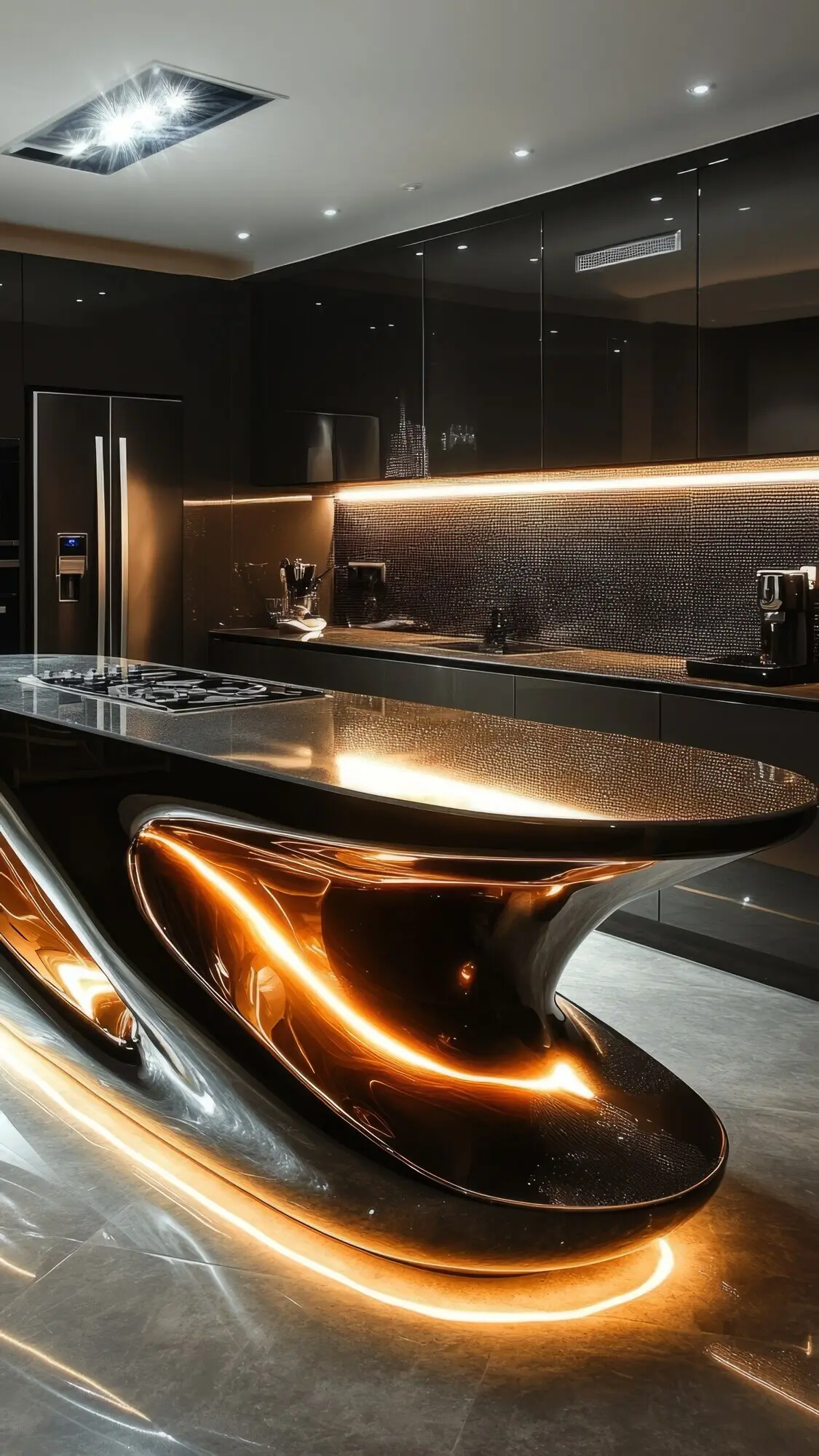
We shifted from a flat downlight grid to perimeter wallwash and a slim linear over the island, then added a tiny art accent to anchor evenings. The result felt larger, softer, and more personal. Scenes labeled Cook, Dine, and Unwind guided life effortlessly. The client stopped apologizing for brightness and started hosting weekly pasta nights with smiles and candlelike dimming that never flickered.
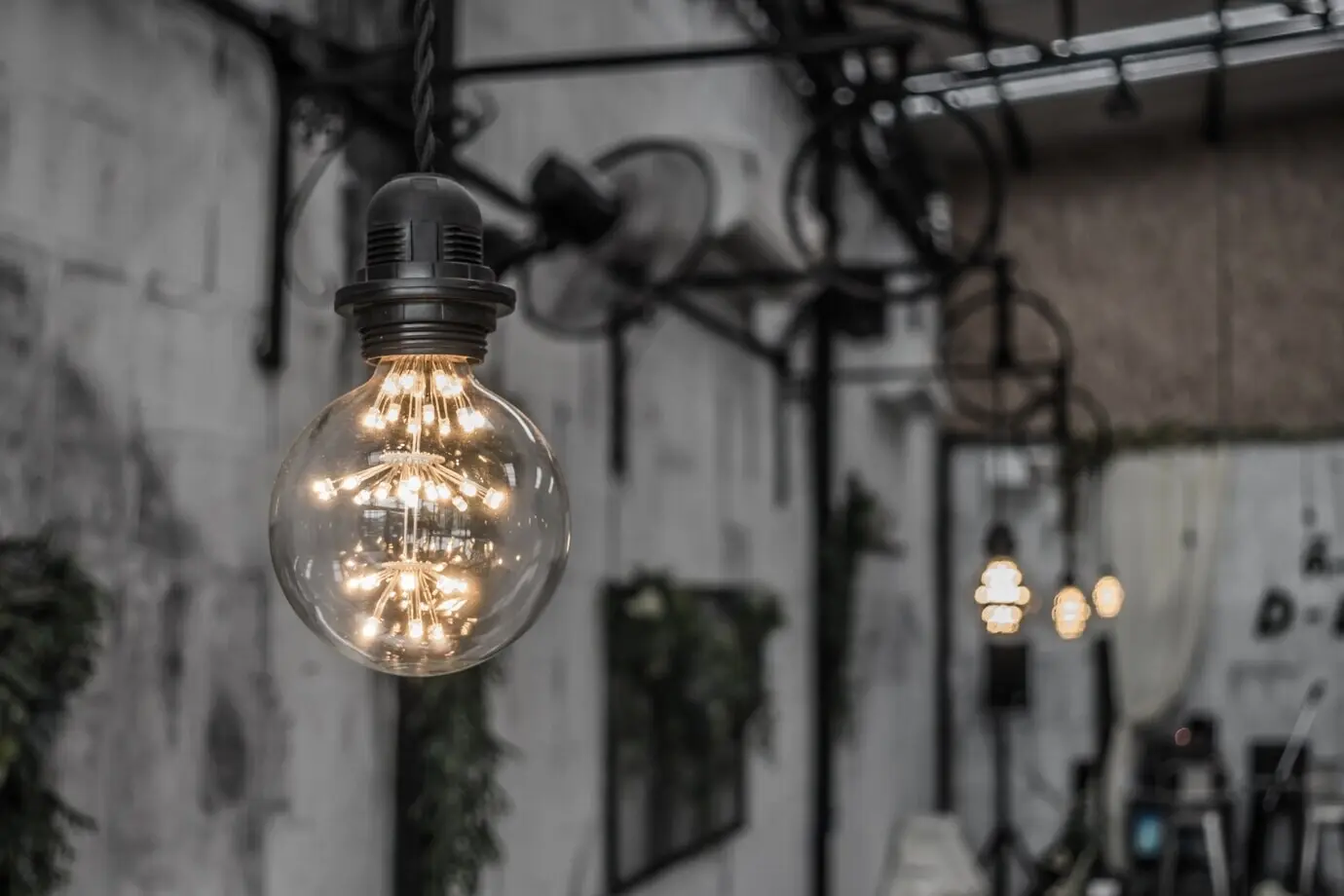
Tight accent beams kissed tabletops while warm wallwashing lifted brick textures. Decorative pendants offered sparkle at low output, letting conversation carry the room. Staff loved one-button openings and late-night cleanup scenes. Energy dropped, reviews rose, and photos finally matched reality. By respecting human faces and dishes equally, the place felt welcoming from first espresso to last dessert without ever shouting for attention.
Historic plaster demanded gentle grazing, not harsh exposure. We used adjustable wallwashers with careful cutoffs, shielding visitors’ eyes while revealing delicate patterns. Color stayed warm to honor patina, and controls allowed museum-level dimming for seasonal exhibits. The building’s soul reemerged, and tours lingered longer. Preservation and performance can harmonize when light listens first, then speaks softly in a language stone and memory both understand.