See the Space Before It Exists
From Idea to Shared Vision
Photoreal Clarity, Real-World Decisions
By simulating reflections, shadow softness, and texture response under varied light temperatures, photoreal imagery reveals issues that drawings miss, like glare on screens or overly glossy floors. This clarity empowers teams to select finishes, edge details, and fixtures with conviction, minimizing costly substitutions and ensuring the finished space matches expectations across disciplines.
Interactive Walkthroughs That Build Trust
Clickable paths and camera bookmarks let clients explore options at their own pace, comparing sightlines from desks, reception, or café seating. When stakeholders experience service clearances and storage access firsthand, approvals accelerate. Questions shift from uncertainty to refinement, turning meetings into decisive workshops rather than abstract debates about plans only a few can read.
A Kitchen Island That Moved, Saving Weeks
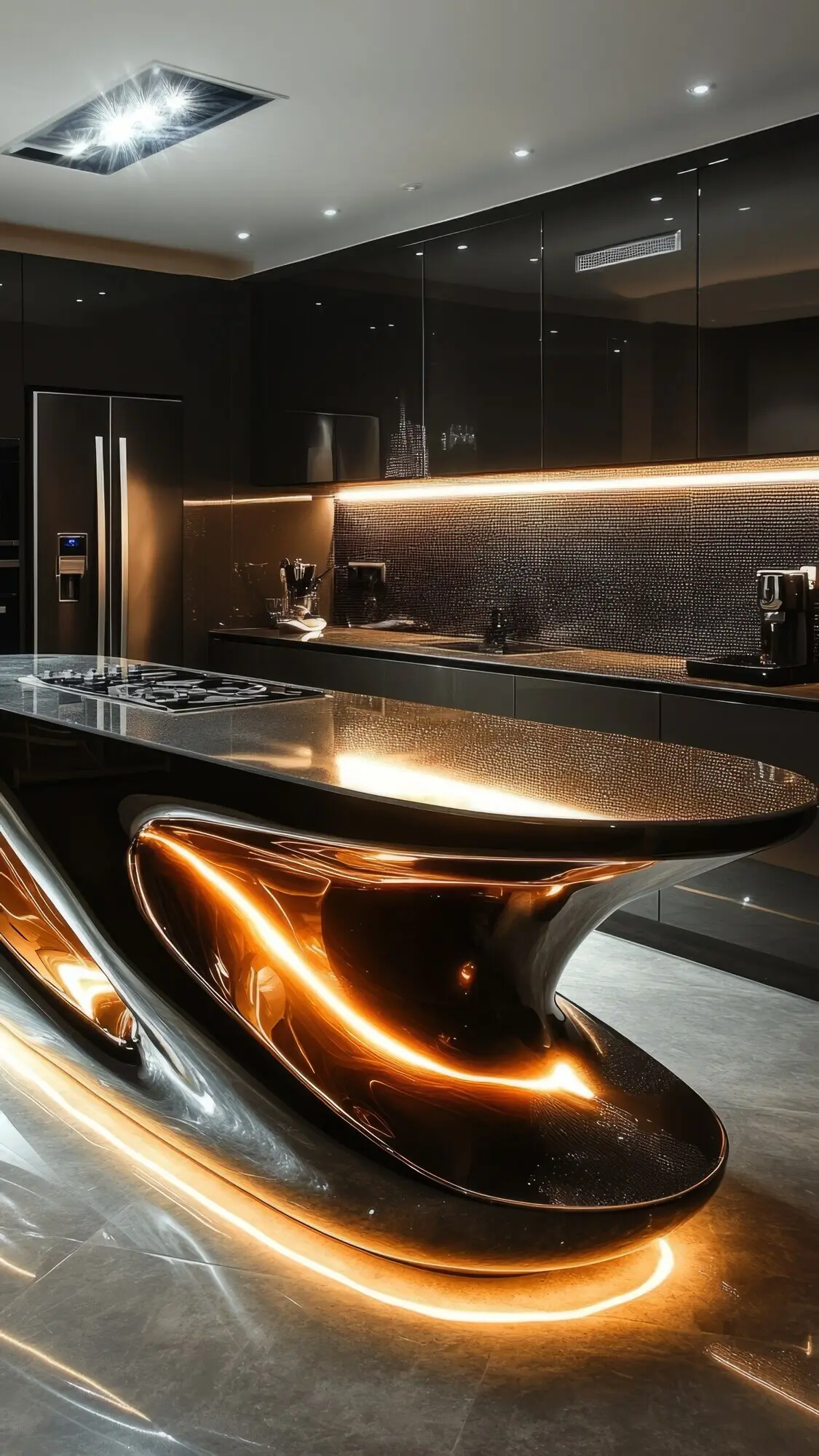
On a workplace retrofit, a photoreal sequence revealed the afternoon sun piercing a proposed pendant above a long island, scattering hotspots across polished quartz. The team shifted the island by 350 millimeters, specified a matte finish, and added a perforated baffle. That single visualization avoided rework, protected the lighting concept, and preserved the hospitality feel clients loved, all before demolition began and long-lead stone fabrication locked the layout into place.
BIM as the Fit-Out Compass
Parametric Details That Remember Everything

Clash Detection Before Dust and Noise
A/B Renders with Costs, Carbon, and Lead Times
VR and AR to Stand Inside Choices
Materials, Light, and Acoustics in Context